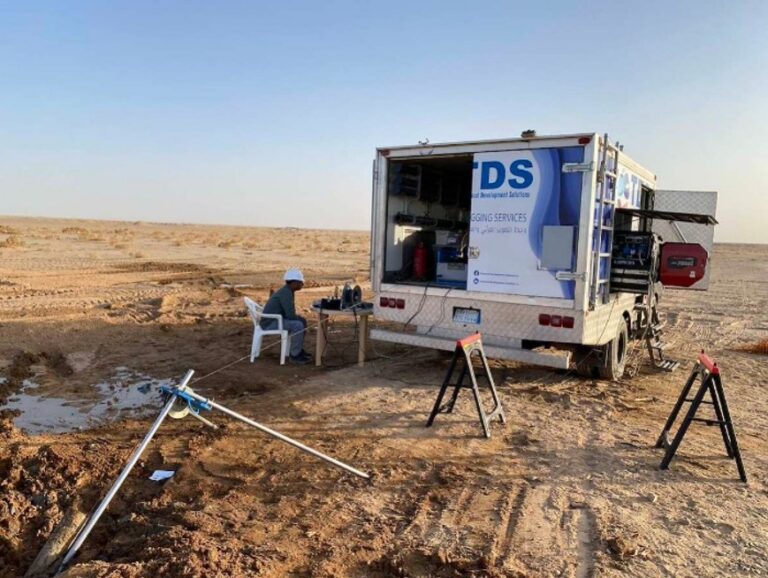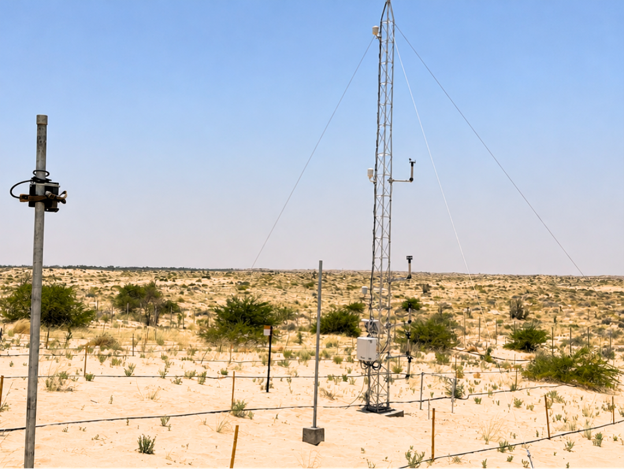
A regional feasibility study of permanent CO₂ storage in the deep saline formations that lie beneath the Kingdom’s freshwater aquifers. TDS acquired two regional geophysical transects of roughly 250 km in total (magnetotellurics, transient electromagnetics and gravity, tied to deep-well stratigraphy) to image the storage formations, their seals and the faults that cut them, and compiled a hydrochemical and isotopic dataset to establish how saline the target units are and how they connect, or do not connect, to the overlying fresh aquifers. A regional numerical model of flow, heat and salinity along the transects is used to simulate injection scenarios: storage capacity and injectivity, pressure propagation, plume migration and trapping, and the risk of brine or CO₂ displacement into usable groundwater.
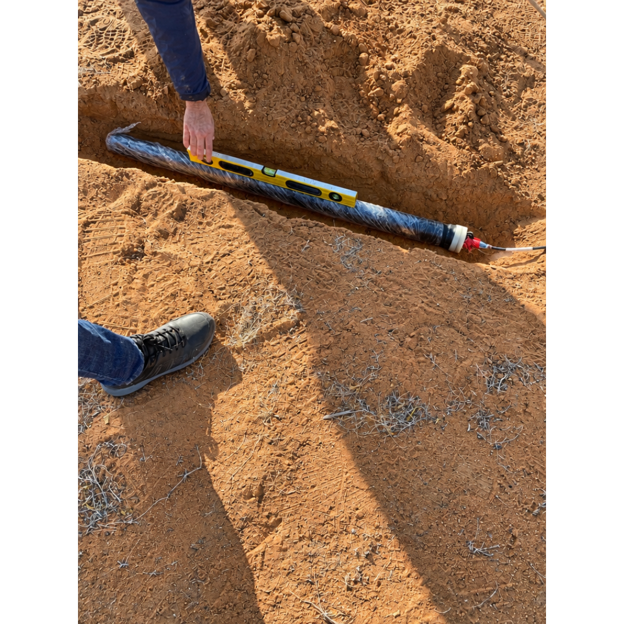
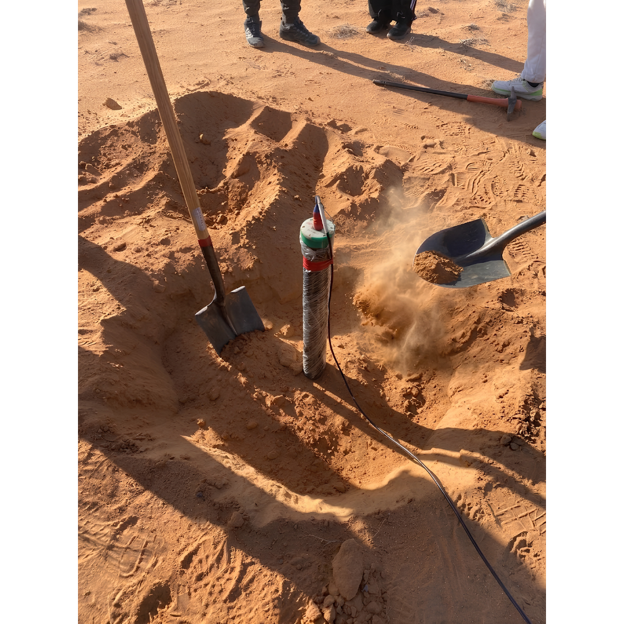
Natural Hydrogen Exploration: Integrated Geophysics, Geochemistry and AI-Assisted Modelling
North-western Greece · Arabian-Nubian Shield (Saudi Arabia, Egypt, Oman, United Arab Emirates)
TDS works on focus on ophiolitic and ultramafic rocks where serpentinisation produces hydrogen through water-rock reaction.